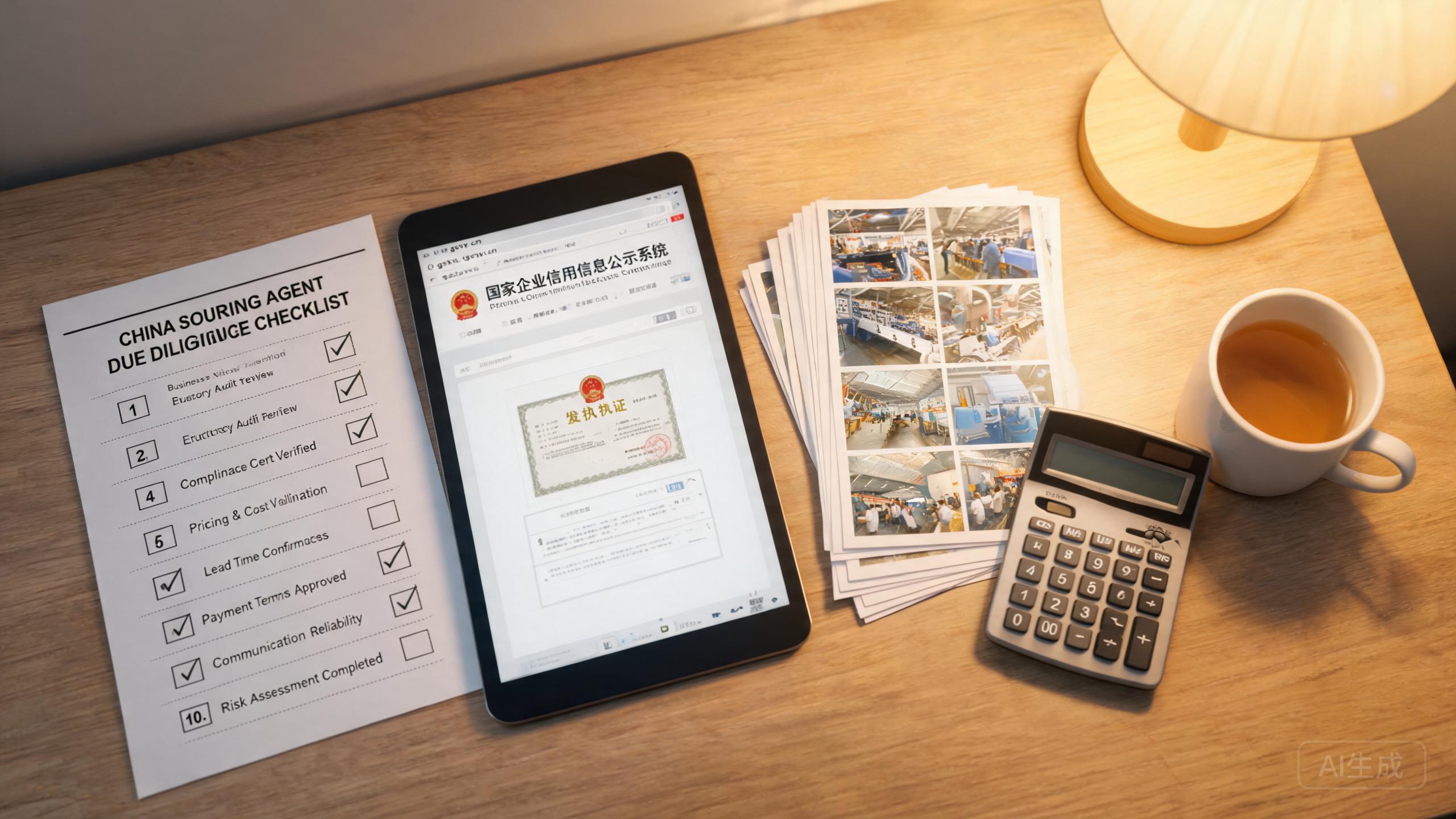
What Does "Choosing a Sourcing Agent" Mean?
Choosing a China sourcing agent means selecting a buyer-side partner who will find your factory, verify it, negotiate price, run quality control, and ship DDP on your behalf — for a transparent 3–8% fee. Because the agent handles your money, your IP, and your supply chain, the wrong choice can cost you 10–40% of order value in hidden markups, defects, or fraud. The right choice delivers factory-direct pricing, AQL 2.5 QC, and consolidated freight. This is different from picking a trading company, which owns and resells goods at a markup.
The stakes are asymmetric. A good agent saves you 12–28% net after their fee, mostly through factory-direct ex-works pricing and AQL 2.5 inspections that catch defects before the goods leave China. A bad agent — or a middleman pretending to be one — can cost you far more: a hidden 15% factory kickback baked into the unit price, a defective batch shipped because "QC" was just a factory self-check, or a deposit that vanishes when the "agent" turns out to be a single person on a personal WeChat with no registered company. In our 2025 intake, roughly 1 in 4 buyers who came to us after a bad first-agent experience had lost between $2,000 and $15,000 on a single failed order.
The good news: every legitimate agent passes the same 10-point vetting checklist below, and every bad agent fails at least one point. The checklist takes 5–10 business days to run on three candidates and it is the single highest-ROI activity in the entire sourcing process.
The 10-Point Vetting Checklist
Run every candidate agent through these 10 checks. Each has a concrete verification method and a clear red flag.
| # | Criterion | How to verify | Red flag |
|---|---|---|---|
| 1 | Business license | Look up company on gsxt.gov.cn; scope must list 代理/服务 | No license, or scope is only 贸易 (trading) |
| 2 | 3 client references | Call 3 buyers who sourced your product category in last 6 months | Refuses, or references are factories/friends |
| 3 | Office address & visit | Google Maps address + WeChat video call of office/warehouse | No address, or only a residential photo |
| 4 | Fee transparency | Ask for factory's original PI + written all-inclusive fee quote | Hidden markups, "service fees," factory kickbacks |
| 5 | Product-category expertise | Ask for 3 past orders of the same product with photos | Claims to do "everything" with no category focus |
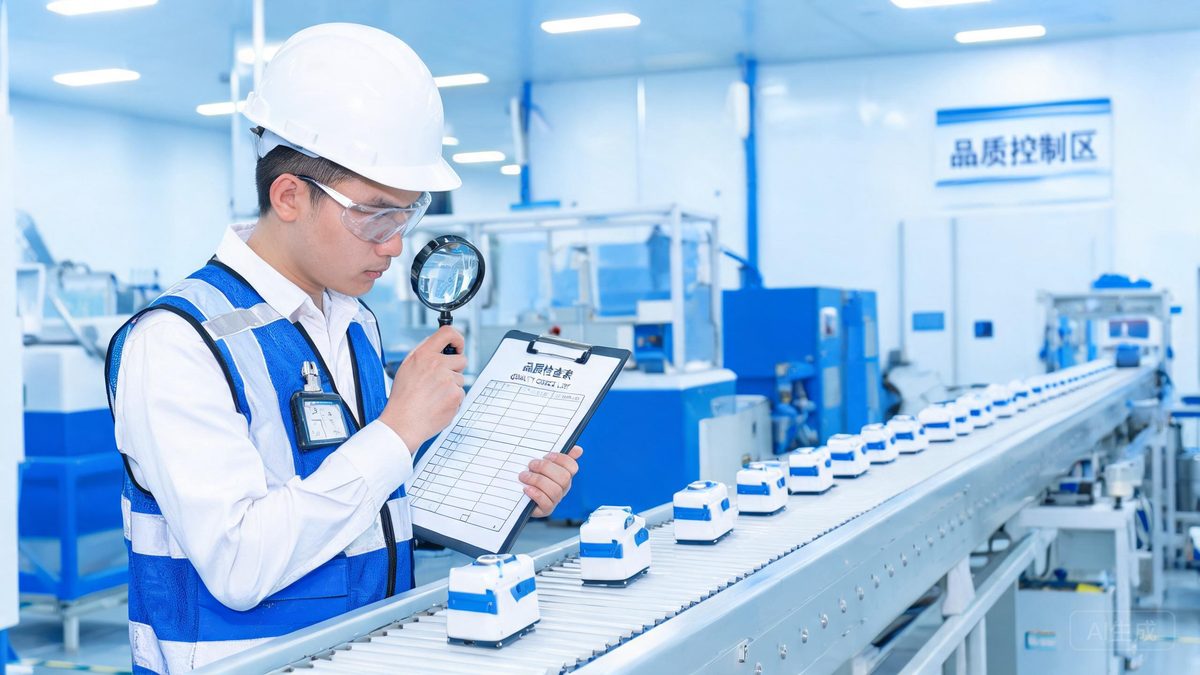
| 6 | QC capability | Ask for a sample AQL 2.5 inspection report with photos | No in-house QC, relies only on factory self-check |
| 7 | Communication | Test response time; require English + timezone overlap | Replies in 24+ hours, no English, single WeChat only |
| 8 | Contract terms | Review NDA, IP clause, mold ownership, defect liability | No written contract, no NDA, no IP protection |
| 9 | Logistics network | Ask for DDP rates to your country + consolidation warehouse | No warehouse, cannot consolidate multi-factory orders |
| 10 | Red-flag screen | Check commission level, factory claims, payment demands | Under 2% commission, "75k factories," 100% upfront |
The three checks that matter most
Every point on the checklist is worth running, but three of them catch the vast majority of bad agents:
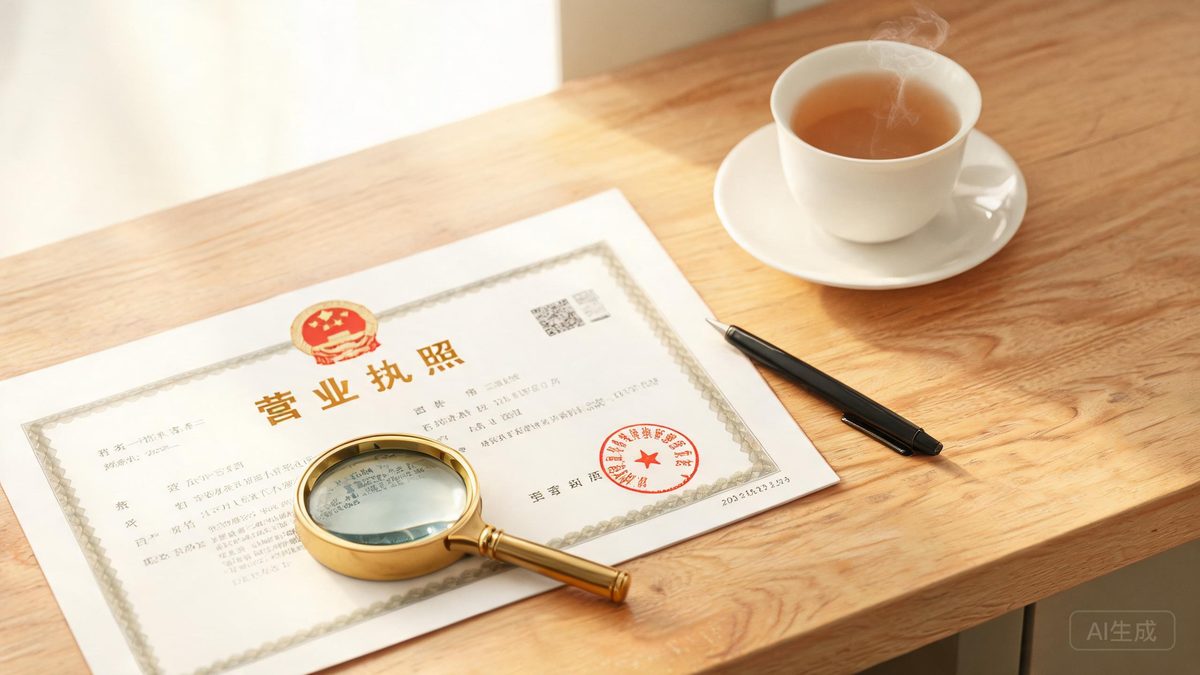
1. Business license on gsxt.gov.cn. This is the cheapest, fastest and most decisive check. Ask the agent for their registered company name (in Chinese characters, not the English trading name) and the 18-digit Unified Social Credit Code. Look it up on the National Enterprise Credit Information Publicity System (gsxt.gov.cn). Confirm the business scope lists 代理 (agency) or 服务 (service), not only 贸易 (trading) — a trading-only scope means you are dealing with a reseller, not an agent. Check the registered capital (a real agency has $50k+; a one-person front has the $3k minimum), and confirm the company is not flagged for "abnormal operation" (经营异常) — a status that means it failed to file annual returns or could not be reached at its registered address.
2. Three buyer references, called. A reference list that the agent will not let you contact is theatre. Ask for three buyers who sourced a similar product in the last six months, then email or call at least two of them. Ask: was the order delivered on time? What was the real defect rate? Did the agent share the factory's original proforma invoice? Would they use the agent again? A real reference gives specific answers; a fake one (often a factory contact or friend) gives vague praise and cannot speak to delivery dates.
4. Fee transparency and the factory's original PI. The single biggest hidden cost in sourcing is the factory kickback — the factory pays the agent a percentage of the order in exchange for being chosen, which means the agent is incentivised to pick the factory that pays them, not the one that is best for you. The fix: ask for the factory's original proforma invoice (PI) alongside the agent's quote. If the agent's "ex-works price" is higher than the factory's PI, the difference is the hidden markup. A transparent agent shares the factory PI and charges an openly stated fee on top; an opaque agent refuses and quotes only an "all-in" price.
Agent Vetting Timeline
Plan 5-10 business days to properly vet 3 agents before signing. Rushing this step is the #1 cause of bad agent partnerships.
| Day | Action | Output |
|---|---|---|
| Day 1-2 | Shortlist 3 agents from Alibaba, Google, referrals; send RFQ with your spec | 3 written quotes + fee proposals |
| Day 3 | Run license check on gsxt.gov.cn for all 3 | Drop any without valid 代理/服务 scope |
| Day 4-5 | Call 2 references per agent; video-call the office | Reference notes + office video screenshots |
| Day 6 | Compare fee models, factory disclosure, QC process | Side-by-side comparison sheet |
| Day 7 | Sign contract + NDA with chosen agent; place small trial order | Signed agreement + 50% deposit to factory |
Worked Example: Vetting 3 Agents
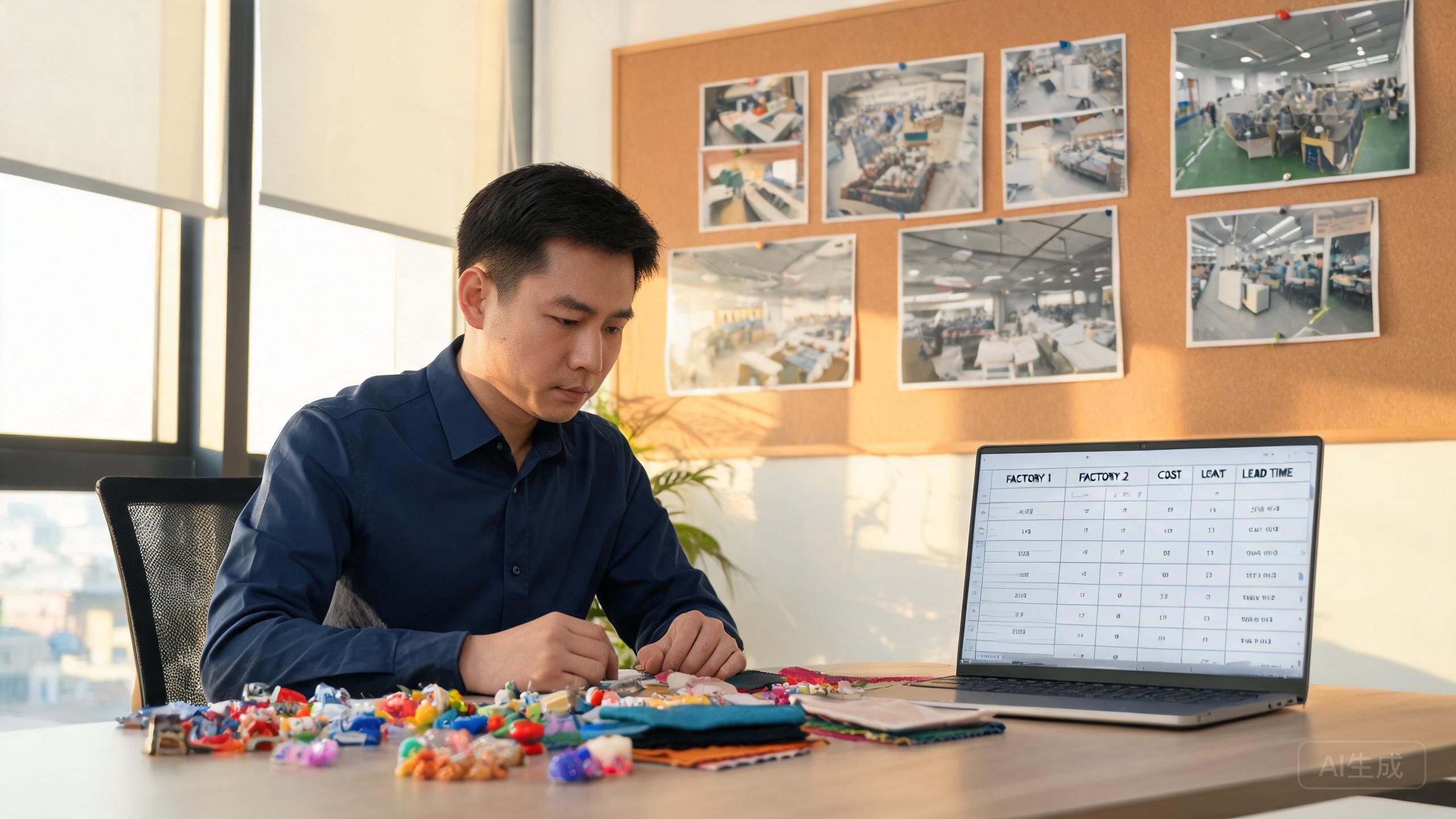
A US Amazon FBA seller sourcing 2,000 silicone kitchen tools shortlisted three agents. Here is how the 10-point checklist separated them.
| Check | Agent A | Agent B | Agent C |
|---|---|---|---|
| License scope | 代理 + 贸易 (valid) | 代理 + 服务 (valid) | 贸易 only (red flag) |
| Commission | 7% | 5% | 1.5% (red flag — kickback likely) |
| References | 2 silicone buyers, called & verified | 3 silicone buyers, called & verified | None provided |
| Office video | Real office, 6 staff, sample shelves | Office + 200 sqm warehouse | Refused, sent 1 photo |
| Factory PI shared? | Yes | Yes | No (only agent's own PI) |
| QC report sample | Yes, AQL 2.5 with photos | Yes, AQL 2.5 with photos | No |
| Contract & NDA | Yes | Yes | Verbal only |
| Verdict | Valid but pricey | Selected | Rejected |
Agent B won: 5% commission, full transparency, real warehouse, 3 verified references, and a signed NDA. Agent C's 1.5% "bargain" was rejected because the license was trading-only, no references, and no factory disclosure — classic kickback signs. The seller saved $1,800 by choosing Agent B over Agent A's 7% on a $30k order, while avoiding Agent C's likely hidden markup.
Red Flags to Reject Immediately
- Commission below 2%: the agent is being paid by the factory, not you. Expect a 5-15% hidden markup in the unit price.
- "We own 75,000 factories": no agent owns that many. This is a marketing slogan for a trading-company-style operation that resells goods at a markup.
- 100% upfront payment demanded: reputable agents use 50/50 (deposit + balance after QC). Full upfront means you have zero leverage if goods are defective.
- Refuses to share the factory name or PI: you cannot verify the real manufacturer or cross-check the price. Walk away.
- Only a personal WeChat, no company: no business entity to sue if something goes wrong. More scams in China sourcing scams.
How Yeatru Passes the 10-Point Checklist
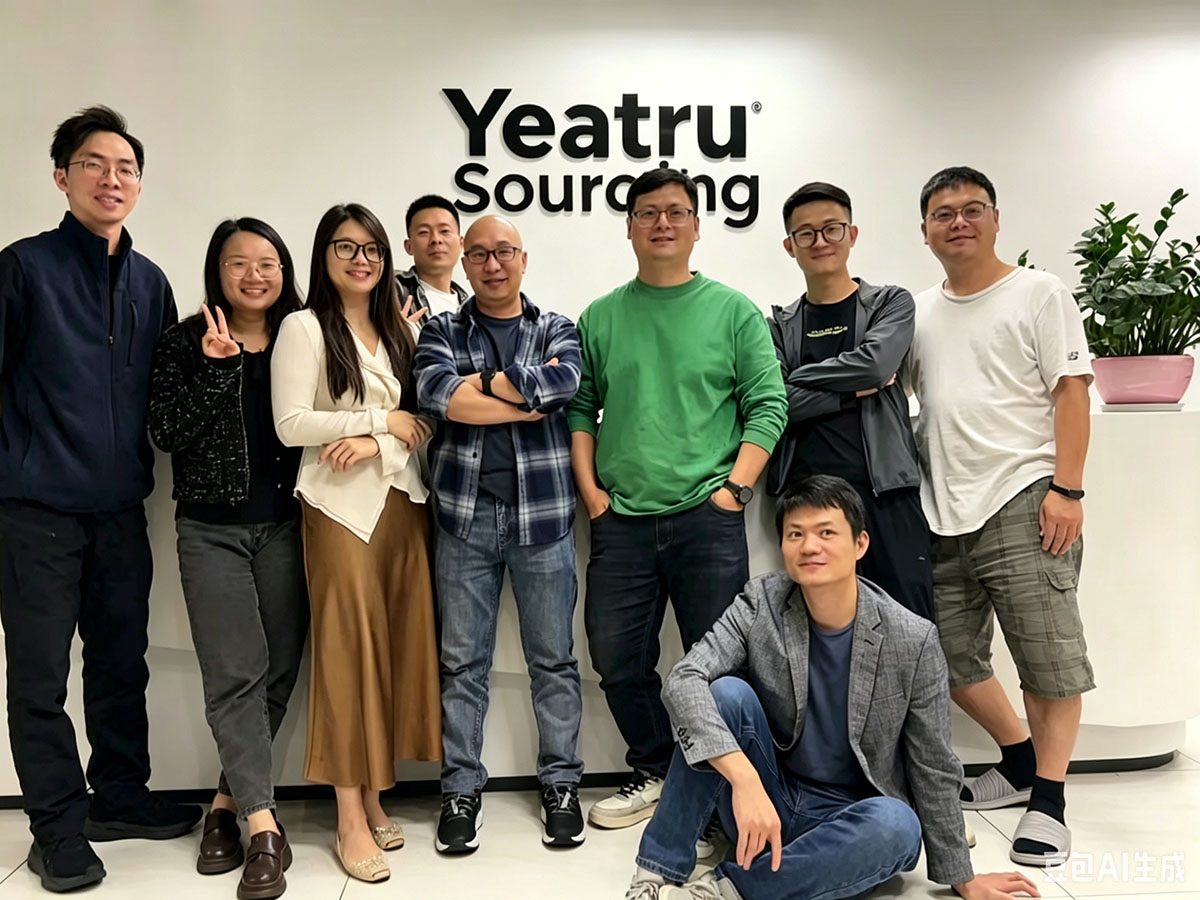
Yeatru Sourcing invites full vetting. We hold a valid Yiwu trading & agency license, operate a 200 sqm office plus 500 sqm consolidation warehouse, provide 3 category-matched references on request, share the factory's original PI, run AQL 2.5 QC with photo/video, and sign an NDA + mold-ownership agreement before every OEM order. Our 3-8% fee is fully transparent — you pay the factory directly and our fee separately.
Frequently Asked Questions
1. How do I vet a China sourcing agent?
Use the 10-point checklist: verify the business license on gsxt.gov.cn, get 3 client references in your product category, video-call the office, confirm fee transparency (factory PI shared, no kickbacks), check product-category expertise, confirm QC capability, test communication and response time, review contract terms (NDA, IP, mold ownership), check the logistics network, and screen for red flags.
2. What are red flags when choosing a sourcing agent?
Walk away from agents who quote commission under 2%, claim to own 75,000 factories, demand 100% upfront payment, refuse to share the factory name or business license, have no references, or only communicate through a single personal WeChat with no office address.
3. How many agent references should I ask for?
Ask for at least 3 buyer references who sourced a similar product in the last 6 months, and actually call them. Verify the reference is a real buyer, not a friend or factory contact. Ask about on-time delivery, defect rate, and fee transparency.
4. Should I visit the agent's office in China?
If your annual sourcing is over $50,000, an office visit is worth the flight cost. For smaller buyers, a WeChat video call during business hours is usually enough — check for staff, sample shelves, and a real warehouse address on Google Maps.
5. Is an agent fee that is too low a red flag?
Yes. Commission below 2% is usually subsidized by factory kickbacks or hidden markups, so you pay more in inflated goods cost. A real 3-8% fee with full transparency almost always costs less than a "1-2%" agent with hidden margins.
6. Agent vs trading company — what should I choose?
Choose a sourcing agent when you want factory disclosure, transparent fees, and control over the supply chain. Choose a trading company only for very small one-off orders where you do not need the factory name. See our sourcing agent vs trading company comparison for the full breakdown.
Common Pitfalls to Avoid
- Wiring to a personal account instead of the company account. Always confirm the PI beneficiary name matches the supplier's business license. A personal account = red flag for fraud or tax evasion, and you lose all payment protection.
- No bank-detail re-verification before the balance transfer. Hackers infiltrate supplier email and send a 'new account' notice mid-order. Re-confirm bank details by phone or WeChat call before every wire over $5,000.
- Paying 100% upfront without a QC gate. Structure 30/70 or 50/50 with an AQL 2.5 pre-shipment inspection before the balance. Once the full amount is paid, you have zero leverage over defects.
- Ignoring SWIFT cost-sharing (SHA vs OUR). SHA splits fees ($25–$45 total) but the supplier receives $15–$25 less. OUR costs you ~$55–$60 upfront but guarantees the full amount arrives. For deposits over $10k, OUR avoids short-payment disputes.
- No written payment terms in the contract. Specify due dates, currency, bank charges, and late-payment penalties. Verbal agreements are unenforceable in Chinese courts.
Conclusion
Choosing a China sourcing agent is a 10-point decision, not a price comparison. Verify the business license on gsxt.gov.cn, call 3 category-matched references, video-call the office, demand the factory's original PI, confirm AQL 2.5 QC capability, and sign a contract with NDA + mold ownership before the first order. Reject any agent quoting under 2% commission, claiming 75,000 owned factories, or demanding 100% upfront — these are the classic signs of kickbacks and hidden markups. Run a small 50-500 pc trial order on 50/50 terms before scaling. Request a free vetting consultation from Yeatru and we will walk you through our license, references, and fee structure with full transparency. Related: 50/50 deposit payment terms.