What Is China Sourcing for Japan & Korea Buyers?
China is the largest manufacturing supplier to both Japan and Korea, but sourcing for these two markets is more demanding than selling to the US or EU. Japan enforces some of the world's strictest product safety and cosmetic-quality standards (PSE, METI, JIS, Food Sanitation Law), while Korea runs its own certification regime (KC, KCC, MFDS). Both markets also expect local-currency invoicing (JPY/KRW) and near-zero-defect quality. A China sourcing agent that specializes in Japan and Korea handles certification filing, quality matching, local invoicing, and port routing — turning a compliance minefield into a manageable pipeline.
Japan Compliance: PSE, METI, JIS & Food Sanitation
| Requirement | Scope | Typical Cost | Timeline |
|---|---|---|---|
| PSE Diamond | Specified electrical products (AC adapters, Li-ion batteries, power strips) | $2,000 – $6,000 | 6 – 10 weeks |
| PSE Circle | Other electrical products | $800 – $2,500 | 3 – 6 weeks |
| METI Notification | All electrical products imported into Japan | $200 – $500 | 1 – 2 weeks |
| PSC (Consumer Products Safety) | Helmets, baby products, certain household goods | $1,500 – $4,000 | 4 – 8 weeks |
| Food Sanitation Law | Food-contact materials, additives, food products | $500 – $2,000 | 3 – 6 weeks |
| JIS Standards | Industrial and consumer goods (voluntary but expected) | $1,000 – $3,000 | 3 – 6 weeks |
PSE is the big one for electricals. Diamond PSE covers 116 "specified" product categories and requires a factory inspection by a Japanese-authorized body. Circle PSE covers 340+ other electrical products and is based on test reports. METI (Ministry of Economy, Trade and Industry) notification must be filed within one month of import. For the broader certification picture, read product certifications from China.
Korea Compliance: KC, KCC, MFDS
| Requirement | Scope | Typical Cost | Timeline |
|---|---|---|---|
| KC Certification | Electrical & electronic products, kids products, broadcast equipment | $2,000 – $7,000 | 4 – 8 weeks |
| KCC Registration | Radio and wireless devices (Bluetooth, Wi-Fi, RF) | $1,500 – $5,000 | 4 – 8 weeks |
| MFDS Approval | Food, drugs, cosmetics, medical devices | $2,000 – $10,000+ | 6 – 16 weeks |
KC (Korea Certification) is Korea's equivalent of CE or FCC for electrical goods. KCC covers anything with a radio transmitter (Bluetooth speakers, Wi-Fi devices). MFDS (Ministry of Food and Drug Safety) handles food, drugs, and cosmetics — and is the slowest and most expensive of the three. File all certifications before shipping; goods without KC/KCC are seized at Busan or Incheon customs.
Japan vs Korea: Import Cost Breakdown
| Component | Japan | Korea |
|---|---|---|
| Import tariff | 0 – 10% (most goods 0 – 5%) | 0 – 13% (most goods 0 – 8%) |
| Consumption tax / VAT | 10% on CIF + duty | 10% on CIF + duty |
| Customs clearance | ¥3,000 – ¥15,000 | KRW 30,000 – KRW 150,000 |
| Main ports | Tokyo, Yokohama, Osaka, Kobe | Busan, Incheon |
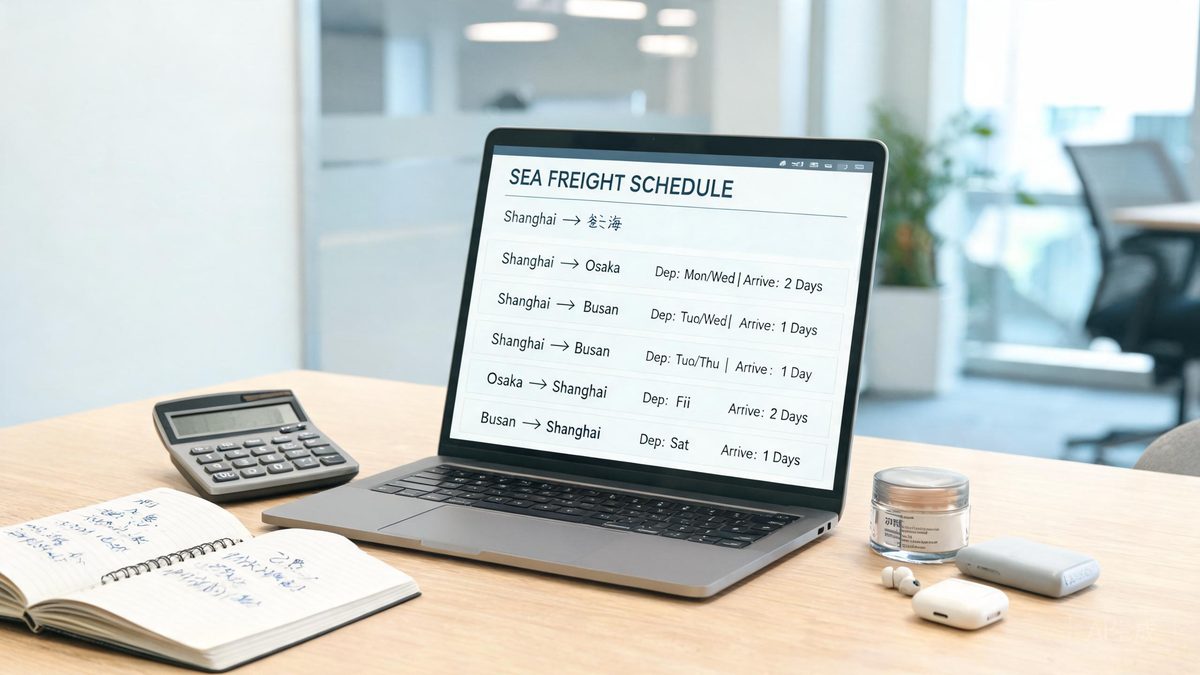
| Sea transit (from Shanghai) | 2 – 4 days | 2 – 3 days |
| Air transit | 1 day | 1 day |
Both Japan and Korea calculate duty and tax on the CIF value (cost + insurance + freight), not the EXW factory price. This means freight and insurance add to your tax base — a good reason to keep freight costs competitive via consolidated shipping.
Worked Example: Kitchen Appliance Imported to Japan
A Japanese importer orders 1,000 electric kettles from a Guangdong factory at ¥1,200/unit EXW (≈ $8.00). Let's land them in Tokyo.
- EXW (1,000 units × ¥1,200): ¥1,200,000
- Sea freight Shanghai → Tokyo (300 kg): ¥60,000
- Insurance: ¥3,000
- CIF value: ¥1,263,000
- Import tariff (kitchen appliances, 3.9%): ¥49,257
- Consumption tax 10% on (CIF + duty): ¥131,226
- Customs clearance: ¥8,000
- Inland to Tokyo warehouse: ¥15,000
Total landed ≈ ¥1,796,483 for 1,000 units → ≈ ¥1,796/unit. The importer retails at ¥3,980 → gross margin ~55%. PSE diamond certification (¥300,000 one-time) is amortized over the 1,000 units, adding ~¥300/unit to the first batch. See FDA import from China for a comparison with the US market.
Quality Expectations: Japan vs Korea
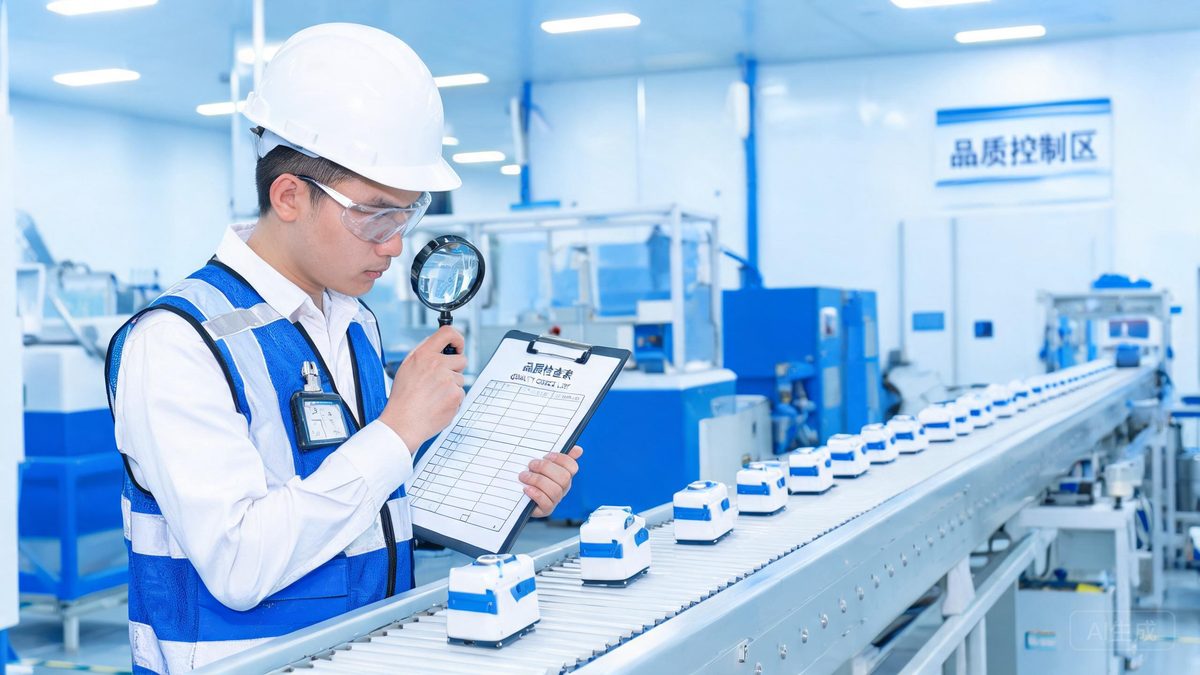
- Japan — famously high. Buyers expect near-zero defects, perfect cosmetic finish (no scratches, no uneven seams, no color variation), and detailed spec sheets with tight tolerances. Use AQL 0.65 or 1.0 for Japan — tighter than the AQL 2.5 standard. Packaging must include Japan's recycling marks and Japanese-language labels.
- Korea — also high, with a strong focus on design and KC/KCC compliance. Korean buyers accept AQL 1.0–2.5 but demand that every unit passes KC/KCC and carries Korean-language labeling and K marks.
- Common issue — factories cut corners on cosmetic finish for Japan orders. An agent's in-process QC (IPQC) catches these before the whole run is finished.
Why a Sourcing Agent Helps Japan & Korea Buyers
Direct factory deals with Chinese suppliers often fail for Japan/Korea buyers because:
- Compliance fluency — most Chinese factories don't understand PSE/METI or KC/KCC filing. An agent coordinates certification with Japanese/Korean-authorized labs.
- JPY/KRW invoicing — factories usually quote in USD. An agent issues JPY or KRW invoices, eliminating FX volatility for the buyer.
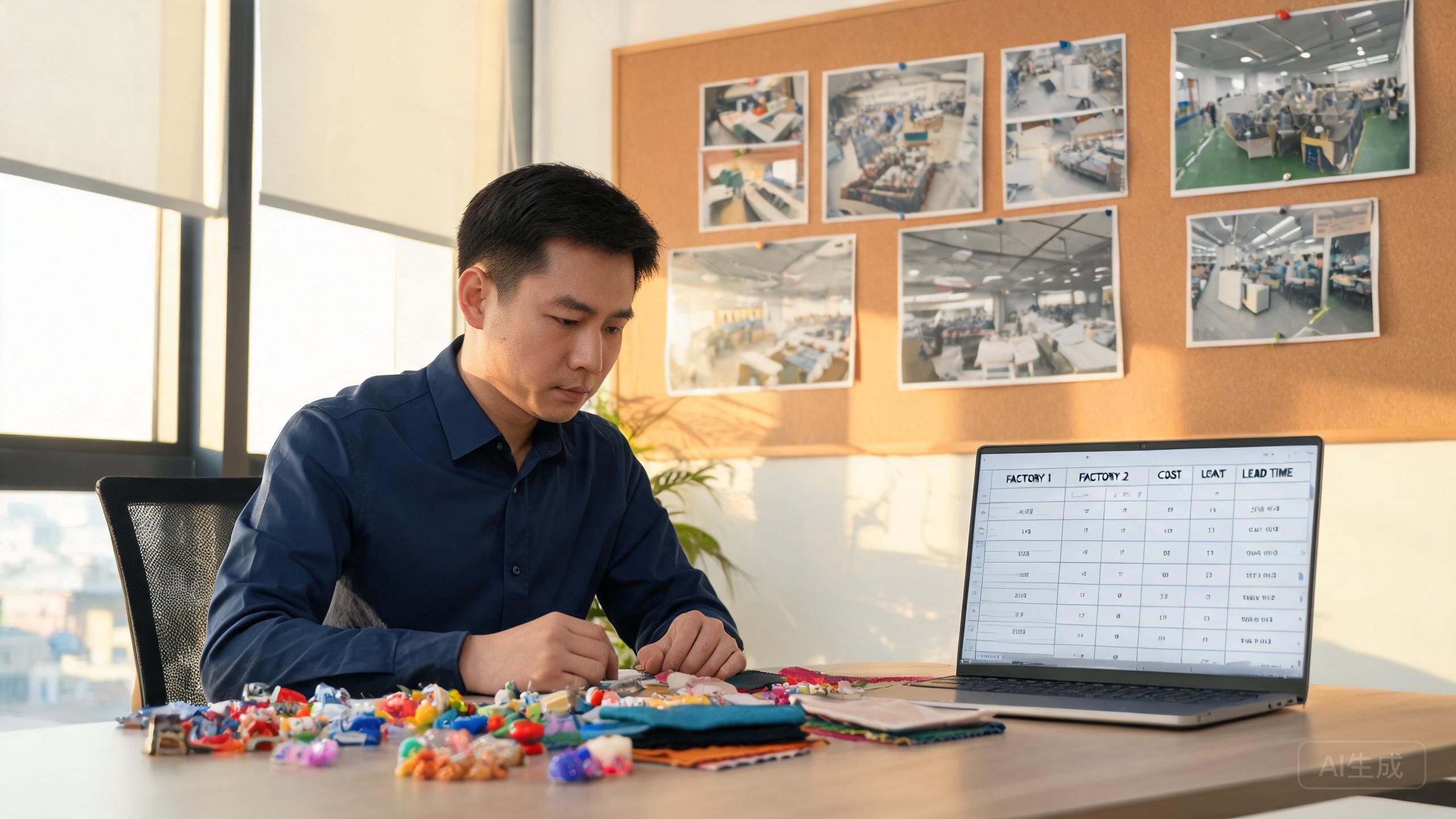
- Quality matching — agents select factories that already export to Japan/Korea (and thus know the quality bar), rather than generalist factories used to looser Western standards.
- Port routing — agents consolidate shipments to Tokyo/Yokohama/Osaka/Kobe or Busan/Incheon, reducing freight and clearance costs.
Yeatru serves Japan and Korea buyers with JPY/KRW invoicing, PSE/KC compliance support, and Japan/Korea-grade AQL inspection. For OEM products, see our OEM private label China guide.
Frequently Asked Questions
1. Do I need a China sourcing agent for Japan or Korea?
Yes, strongly recommended. Japan and Korea have strict certification requirements (PSE/METI for Japan, KC/KCC for Korea), high quality standards, and local-currency invoicing needs. An agent handles compliance filing, JPY/KRW invoicing, quality matching, and routing to Tokyo/Yokohama or Busan/Incheon — areas where direct factory deals often fail.
2. What is PSE certification for Japan?
PSE (Product Safety Electrical Appliance & Material) is Japan's mandatory electrical safety certification. Diamond PSE applies to specified products (AC adapters, lithium batteries, power strips) and requires factory inspection; circle PSE applies to other electrical products and is based on test reports. METI notification must be filed within 1 month of import.
3. What is KC certification for Korea?
KC (Korea Certification) is Korea's mandatory certification for electrical and electronic products, kids products, and broadcast equipment. KCC covers radio and wireless devices; MFDS covers food, drugs, and cosmetics. KC certification typically takes 4–8 weeks and requires product testing at a Korean-approved lab.
4. What quality standard do Japanese buyers expect?
Japanese buyers expect near-zero defects, strict cosmetic finish (no scratches, perfect alignment), and detailed spec sheets with tolerances. AQL 0.65 or 1.0 is common for Japan-bound orders, tighter than the AQL 2.5 used for most Western markets. Packaging must also meet Japan's strict recycling labeling rules.
5. What are the import taxes for Japan and Korea?
Japan applies 0–10% tariff (most goods are 0–5%) plus a 10% consumption tax on the CIF value. Korea applies 0–13% tariff (most goods 0–8%) plus 10% VAT on CIF + duty. Both calculate tax on the landed CIF value, not the EXW factory price.
6. Can I get invoiced in JPY or KRW?
Yes. A China sourcing agent serving Japan and Korea can issue invoices in JPY or KRW through a local entity or cross-border payment provider (e.g., PingPong, Payoneer, WorldFirst). This eliminates FX volatility for the buyer and simplifies domestic accounting. Payments can be settled via local bank transfer.
Common Pitfalls to Avoid
- Using the supplier's test report without verification. Many factories provide fake or expired CE/FCC reports. Verify the report number on the certification body's website before placing a bulk order.
- Applying the wrong certification for the destination market. CE for EU, FCC/CPC for US, UKCA for UK, RCM for Australia. Shipping CE-marked goods to the US = customs seizure and $10k+ fines.
- No test report for the exact product variant. A CE report for a red 220V version does not cover a blue 110V version. Each variant needs its own test or a report covering all variants.
- Forgetting ongoing compliance. Regulations change (e.g., EU GPSR replacing GPSD, US CPSC updates). A cert valid today may be invalid in 12 months. Track renewal dates and budget for re-testing.
- Under-declaring product category to skip certification. Listing a children's toy as 'home decoration' to avoid CPC is customs fraud. The buyer of record (you) carries the liability.
Conclusion
Sourcing from China for Japan and Korea requires navigating two of the world's most demanding import regimes — PSE/METI/JIS for Japan and KC/KCC/MFDS for Korea — plus near-zero-defect quality expectations and JPY/KRW invoicing. The electric-kettle example shows a landed cost of ~¥1,796/unit retailing at ¥3,980, but only after clearing PSE diamond certification and 10% consumption tax. A sourcing agent that understands these markets turns compliance and quality from blockers into a repeatable pipeline. Request a Japan/Korea sourcing quote from Yeatru — we'll handle PSE/KC filing, JPY/KRW invoicing, and Japan/Korea-grade QC. Related: China product certifications guide.