What Is China Warehousing & Consolidation Service?
Consolidation (拼柜 / 集货) is a logistics strategy where a third-party warehouse in China receives goods from multiple suppliers inspects and labels them and combines them into a single export shipment. Instead of paying 10 separate LCL or air freight bills from 10 factories you pay one — and the per-unit freight cost drops dramatically. A China warehousing service provides the physical storage plus value-added services (inspection labeling repackaging palletizing FBA prep) that make consolidation possible.
Most importers source from more than one Chinese factory. Each factory quotes FOB or EXW and ships separately — meaning you pay 10 export clearances 10 sets of documents 10 international freight minimums and 10 destination handling fees. Sourcing agents solve this with a bonded consolidation warehouse: every supplier delivers to the same address the warehouse checks the goods against your PO and once everything has arrived a single container leaves for your country.
Why Consolidate? The Math Behind the Savings
Imagine you are importing 8 different products from 8 factories — 0.8 CBM each — worth USD 4,000 total. Here is the difference:
| Cost item | 8 separate shipments | 1 consolidated shipment | Savings |
|---|---|---|---|
| International freight (LCL) | 8 × USD 80 = USD 640 | 1 × USD 480 (6.4 CBM) | USD 160 |
| Export docs & clearance | 8 × USD 60 = USD 480 | 1 × USD 80 | USD 400 |
| Destination handling | 8 × USD 120 = USD 960 | 1 × USD 180 | USD 780 |
| Warehouse receiving & loading | USD 0 (factory ships) | USD 150 | −USD 150 |
| Total | USD 2,080 | USD 890 | USD 1,190 (57%) |
The savings compound on larger orders. A buyer combining USD 40,000 across 15 suppliers typically saves USD 4,000–8,000 in freight and handling alone — more than the sourcing agent fee for the entire order.
How Consolidation Works Step by Step
- Confirm POs & delivery dates. Your sourcing agent gives every supplier the warehouse address and a required delivery window (usually a 10-day span). Suppliers ship EXW to warehouse.
- Goods received & logged. The warehouse signs for each delivery takes photos checks carton count and marks each PO as "arrived" in your shared tracker.
- Quality & quantity check. A pre-shipment inspection (QC) is performed — AQL 2.5 sampling or 100% for FBA orders. Defects are flagged before the container is sealed.
- Labeling & repackaging. FNSKU labels country-of-origin marks care labels or custom packaging are applied. Mixed-SKU cartons are palletized by destination.
- Load & ship. Once all POs arrive the warehouse loads one container or books one LCL consolidation. A consolidated packing list and commercial invoice are issued under one shipper.
- Clearance & delivery. Your DDP or FOB forwarder clears customs and delivers to your warehouse or FBA center.
What a China Warehousing Service Includes
A full-service consolidation warehouse offers more than floor space. Typical inclusions:
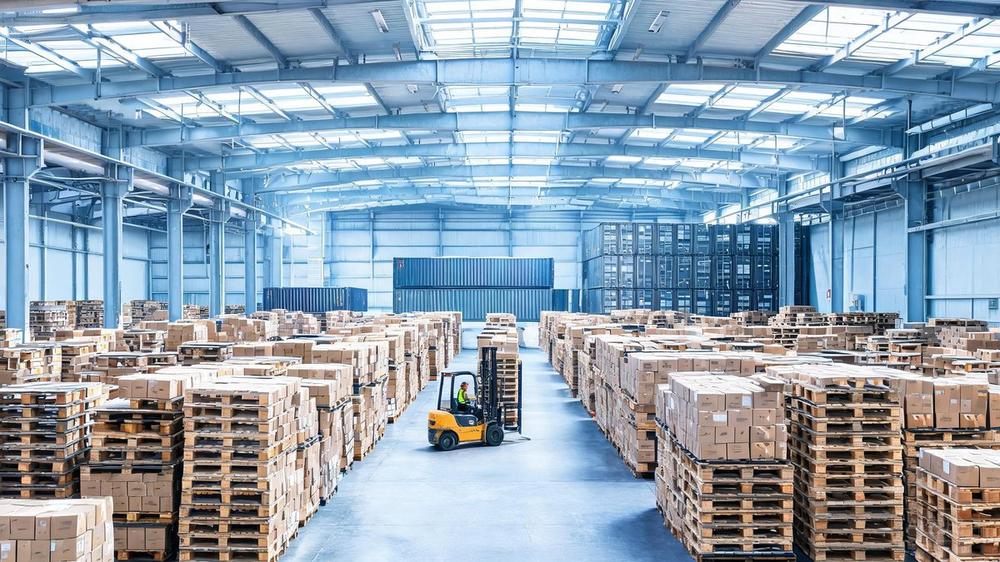
- Bonded storage — 7–30 days free then daily CBM rate; goods held under customs bond until export.
- Receiving & putaway — dock receipt carton count photo evidence barcode scan into WMS.
- Quality inspection — incoming sampling or full AQL before consolidation (QC service).
- Labeling — FNSKU/UPC/EAN country-of-origin (Made in China) barcode stickering.
- Repackaging & bundling — poly bags insert cards gift boxes multi-pack bundling for retail or FBA.
- Palletizing & stretch wrapping — export pallets (IPPC heat-treated) with load securing.
- Container loading supervision — load plan on-site loading photos seal number recorded.
- Documentation — consolidated packing list commercial invoice packing declaration.
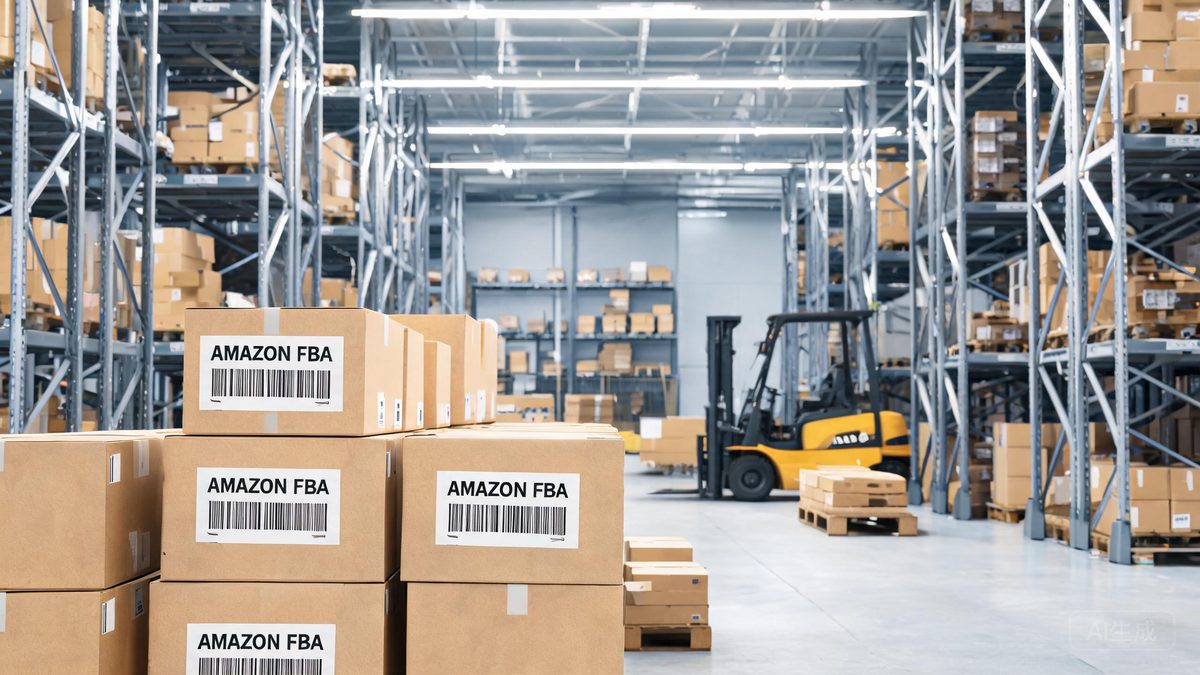
- FBA prep — poly bagging suffocation labels case packing label compliance.
Consolidation vs Direct Shipping
| Factor | Direct from each supplier | Consolidated |
|---|---|---|
| Freight cost | High — multiple minimums | 30–50% lower |
| Documents | One set per supplier | One consolidated set |
| Customs entries | Multiple | Single |
| QC control | Factory only (biased) | Independent at warehouse |
| Lead time | Each ships when ready | Waits for slowest supplier |
| Storage cost | None at origin | Free 7–30 days then daily |
| Best for | Urgent single-product restock | Multi-SKU bulk orders FBA restocks |
When NOT to Consolidate
- Urgent orders under 5 CBM. If you need product in 7 days express air from each factory beats waiting 2 weeks for all suppliers to deliver.
- Single supplier. One factory = nothing to consolidate; ship directly.
- Suppliers spread across China with no delivery coordination. If factory A is ready in week 1 and factory B in week 6 storage fees may erase freight savings.
- Highly regulated products requiring individual certification batches. Some certifications are lot-specific and cannot be cross-merged.
Storage Fees & Timeline (2026)
| Service | Rate (2026) |
|---|---|
| Free storage window | 7–30 days (depends on volume & agent) |
| Storage after free window | USD 0.50–1.50 / CBM / day |
| Receiving & unloading | USD 0.30–0.80 / CBM or USD 5–15 / shipment |
| Palletizing | USD 8–15 / pallet |
| Labeling (FNSKU / barcode) | USD 0.03–0.08 / unit |
| FBA prep (polybag + label) | USD 0.30–0.80 / unit |
| Loading supervision | USD 80–150 / container |
Most sourcing agents bundle warehousing into their service fee or offer free storage for orders they manage. Always confirm the free-storage window and daily rate in writing before goods arrive.
Choosing the Right Consolidation Warehouse
- Location matters. Pick a warehouse near the load port — Yiwu for east-coast consumer goods Ningbo/Shanghai for east Shenzhen for south. Short drayage saves time and cost.
- Bonded vs general warehouse. Bonded warehouses defer duty until export; general warehouses require immediate customs. For export consolidation bonded is standard.
- WMS & visibility. A warehouse with a warehouse management system and real-time inventory photos avoids "missing carton" disputes.
- FBA experience. If you sell on Amazon confirm the warehouse knows FNSKU labeling poly bag rules and case-pack requirements (FBA prep guide).
- Insurance. Confirm warehouse liability coverage (fire theft damage) and whether your cargo is insured while in storage.
Real Warehouse Service Rates (Yiwu/Ningbo, 2026)
Below are actual per-unit rates from a Yiwu consolidation warehouse (our facility, Q4-2026). Use these as a benchmark when comparing warehouse quotes — if a quote shows only a flat "handling fee" without line items, ask for the breakdown:
| Service | Rate | Unit | Typical Order Volume |
|---|---|---|---|
| Free storage window | $0 | first 14 days | All managed orders |
| Storage after free window | $0.50 | CBM/day | LCL; FCL waived if loaded within 7 days |
| Receiving (dock receipt + scan) | $8 | per shipment | Min $8, max $35 for 10+ pallets |
| Unloading (manual) | $0.30 | CBM | Min $5 |
| Unloading (palletized) | $0.15 | CBM | Min $3 |
| Pre-load QC (AQL 2.5 sampling) | $35 | per SKU | Includes defect report + photos |
| FNSKU/UPC labeling | $0.04 | per unit | Min $25/order |
| Country-of-origin labeling | $0.04 | per unit | Required for US/EU import |
| Poly bagging (FBA prep) | $0.12 | per unit | Includes suffocation warning |
| Repackaging (mixed-SKU carton) | $0.50 | per carton | For FBA case-pack rules |
| Palletizing + stretch wrap | $12 | per pallet | IPPC heat-treated pallets |
| Container loading supervision | $80 | per container | Load plan + photos + seal record |
| Consolidated packing list + PI | $0 | included | Required for single customs entry |
For a typical 12-SKU, 28-CBM, 12,000-unit order (the case study above), total warehouse services come to $420 (QC) + $480 (labeling) + $160 (loading) + $80 (receiving) = $1,140 — about 3% of ex-factory value. When a warehouse quotes "$2,500 handling" for the same order, the difference is the markup, not the service.
Real Case Study: 12-Supplier Order, Yiwu → Los Angeles (2024)
A US home-goods importer was sourcing 12 SKUs (ceramic mugs, silicone kitchen tools, storage bins, bamboo organizers) from 12 Yiwu-area factories — 28 CBM total, USD 38,000 ex-factory. They asked us to compare separate-supplier LCL vs. consolidation. Below is the actual line-by-line cost of each option, not a "round number" estimate.
| Cost Line | 12 separate LCL shipments | 1 consolidated 2×20ft FCL | Saving |
|---|---|---|---|
| International freight (LCL min × 12) | $6,720 (8 × $80 + 4 × $120) | $2,900 (2× FCL Ningbo→LA @ $1,450) | $3,820 |
| Destination THC + CFS handling (LCL × 12) | $3,120 ($260 avg × 12) | $360 (2× FCL THC @ $180) | $2,760 |
| Export docs + customs declaration | $720 ($60 × 12) | $95 (one consolidated declaration) | $625 |
| ISF filings (10+2) at US port | $420 ($35 × 12) | $70 ($35 × 2 containers) | $350 |
| US customs entry + broker | $1,620 ($135 × 12) | $280 (one entry per container) | $1,340 |
| Warehouse receiving + 14-day storage | $0 (factories ship direct) | $280 (28 CBM × 14 days × $0.50 + $80 receiving) | −$280 |
| Pre-load QC (AQL 2.5 sampling) | $0 (no QC) | $420 (12 SKUs × $35/sample) | −$420 |
| Container loading supervision | $0 | $160 (2× @ $80) | −$160 |
| Country-of-origin labeling (12k units) | $0 (post-arrival, US 3PL @ $0.15) | $480 ($0.04/unit in China) | +$840 saved vs US labeling |
| Subtotal logistics | $12,600 | $5,045 | $7,555 (60% saving) |
| US 3PL receiving + sort (post-arrival) | $1,800 ($150 × 12 SKUs) | $0 (consolidated cartons arrive sorted) | $1,800 |
| Total landed | $14,400 | $5,045 | $9,355 (65% saving) |
Three things to notice in the line items:
- The freight line is not the biggest saving. Most buyers assume "consolidation = cheaper freight" — but FCL vs. LCL saves $3,820. The bigger wins are destination handling ($2,760) and US customs entry ($1,340), which most quotes never show.
- QC and labeling in China cost more up front but save more downstream. Pre-load QC ($420) catches defects before they cross the Pacific; in-China labeling ($0.04/unit vs. $0.15 in the US) saves $840 on a 12k-unit order. Both are often skipped by templated consolidation quotes that pitch "low warehouse fees."
- US-side receiving disappears entirely. When 12 SKUs arrive in 12 separate LCL shipments, your US warehouse charges $150/sku to receive and sort — $1,800 invisible cost that never shows on a China-side quote.
What went wrong (and how we fixed it)
Incident: Supplier #7 (bamboo storage bins) arrived 9 days late to the warehouse because their cartons failed a final QC check at the factory and required repackaging. This pushed the entire consolidation past the free-storage window by 4 days.
Resolution: Rather than ship 11 SKUs and wait for #7 (costing the buyer a second container), we negotiated a 7-day free-storage extension with the warehouse (volume relationship) and kept the 2-container plan. Storage fee impact: $0 (extension absorbed). Total transit delay: 9 days, but landed cost still came in within 4.1% of the original quote — well under the 12–18% cost overrun benchmark for first-time consolidations.
Lessons that apply to your consolidation
- Always negotiate a free-storage buffer — 10-day supplier delivery window + 7-day warehouse buffer = 17 days before paid storage kicks in. Late suppliers are normal; plan for it.
- Get the warehouse quote as a line-item breakdown — if you only see "freight + handling $X", you cannot compare against separate-supplier shipping. Demand per-SKU receiving, daily storage, and labeling rates.
- Pre-load QC is non-negotiable for multi-SKU orders — once a container is sealed, you cannot return defective units to the factory. AQL 2.5 sampling at $35/SKU pays for itself on the first rejected carton.
- Ask for the consolidated packing list before loading — a real consolidated PI lists all 12 SKUs, carton counts, weights, HS codes, and total value under one shipper. This is what your customs broker needs to file a single entry.
Common Pitfalls to Avoid
- Not aligning delivery dates. Give every supplier the same 10-day delivery window. A 4-week gap on one SKU can trigger USD 200+ in storage fees.
- Ignoring HS code consistency. A consolidated shipment needs accurate HS codes for every SKU. Wrong codes = customs delay in your country.
- Forgetting country-of-origin labels. US CBP and EU customs require "Made in China" on every retail unit. Apply at the warehouse — not after import.
- Skipping pre-load QC. Once the container is sealed and at sea defects cannot be returned. Inspect before loading.
- Mixing restricted items. Batteries cosmetics and food-grade items have special handling rules. Keep them in their own consolidations.
Get a Consolidation Quote
If you are sourcing from multiple Chinese suppliers and paying separate freight bills consolidation is almost always worth it. Send your product list (SKU quantity CBM per carton destination) and we will return a written quote showing the consolidated freight cost vs your current separate-shipment total — usually within 24 hours.