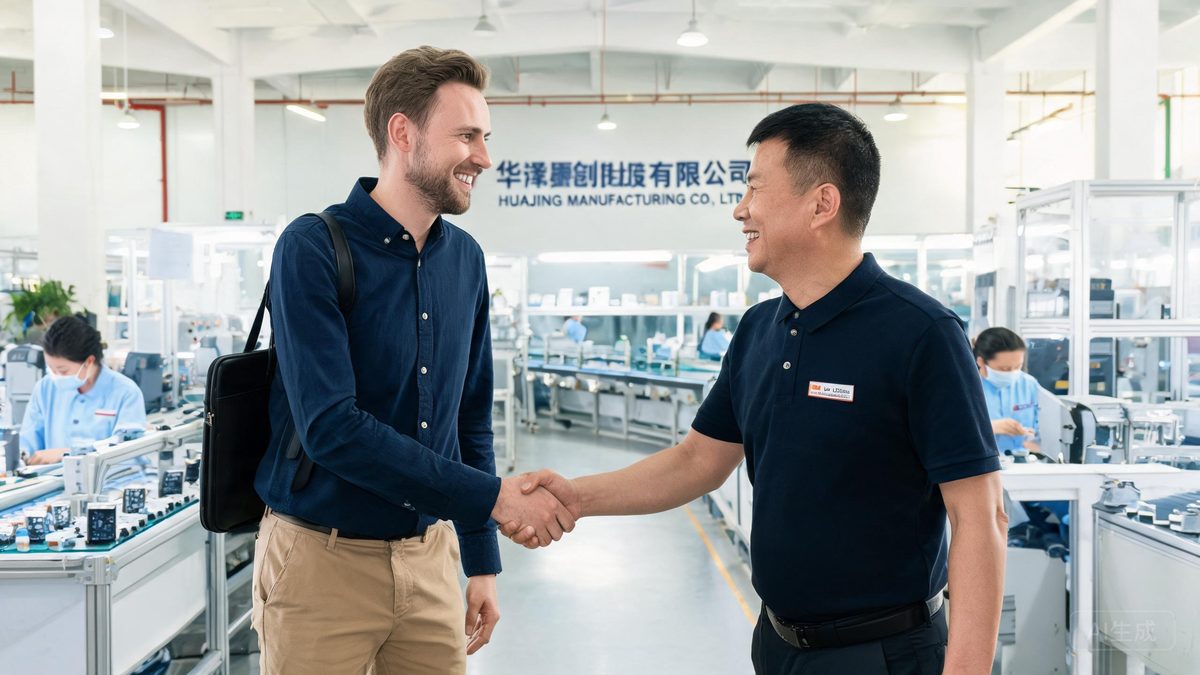
Buying your first product from China can feel like crossing a minefield: language barriers, payment scams, quality surprises, and shipping delays. The good news is that every first-time importer faces the same ten steps, and most failures come from skipping just two or three of them. This 2026 beginner's guide walks through the full 10-step process, the mistakes that trip up 80% of new buyers, and a concrete $2,000 first-order example so you know exactly what to spend — and what to avoid.
The 10-Step First-Order Process
Follow these ten steps in order. Skipping a step is where most beginners lose money.
| Step | Action | Time | Cost |
|---|---|---|---|
| 1. Define product | Write a 1-page spec (material, dimensions, target price, certifications) | 1 day | $0 |
| 2. Research suppliers | Find 5-10 on Alibaba / 1688 / Yiwu | 1-2 days | $0 |
| 3. Send RFQ | Request EXW price, MOQ, lead time, sample cost | 1-3 days | $0 |
| 4. Order samples | Buy 1-3 from 2-3 suppliers | 5-10 days | $20-$200 |
| 5. Verify supplier | Check business license on gsxt.gov.cn; match bank name | 1 day | $0 |
| 6. Negotiate | Compare 3 quotes; negotiate 5-10% off + 50/50 terms | 1-2 days | $0 |
| 7. Place order | Pay 50% deposit (PayPal or T/T) | 1 day | 50% of EXW |
| 8. QC before shipment | Photo check or $90-$150 third-party AQL 2.5 | 1-2 days | $0-$150 |
| 9. Pay balance & ship | Pay 50% balance; ship air DDP (under 100 kg) | 5-12 days | 50% + freight |
| 10. Sell & reorder | List, sell, reorder based on 30-day demand | ongoing | — |
The full cycle from first RFQ to goods in hand takes 20-45 days for stock goods. Add 2-4 weeks if you need OEM or custom packaging.
Steps 1-3: Define, Research, RFQ
Before you message any supplier, write a one-page product spec: exact product name, material and grade, dimensions and weight, target quantity (100-500 for a first order), target unit price, required certifications (CE, FCC, FDA, etc.), and packaging requirements. Vague requests get vague quotes — and vague quotes are usually the most expensive ones.
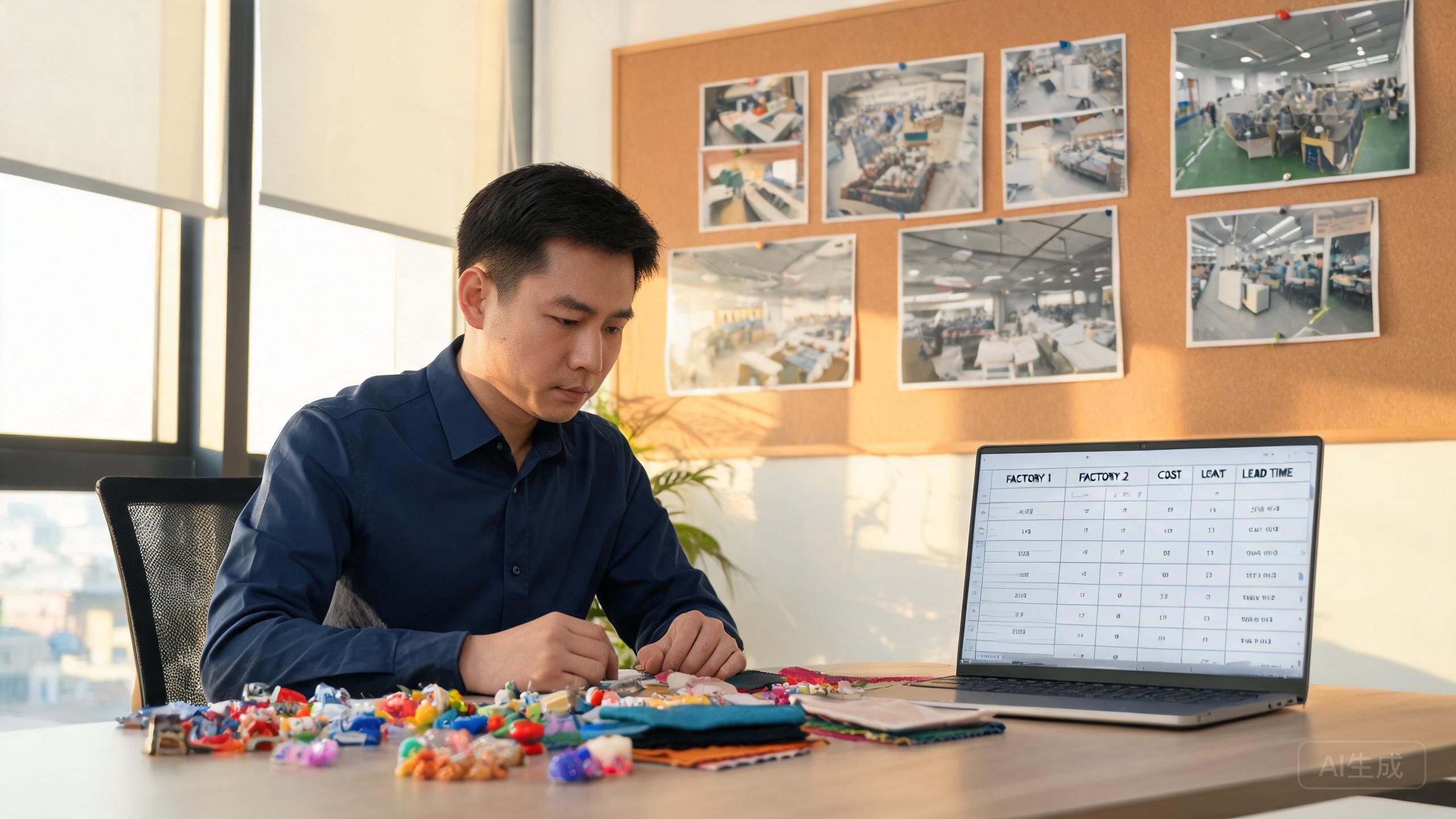
Research suppliers on Alibaba (filter by "Verified Supplier" and "Trade Assurance"), 1688.com for domestic pricing, and the Yiwu market for small commodities. Collect 5-10 candidates, then send the same RFQ to all of them so quotes are comparable. Always ask for EXW price, MOQ, lead time, sample cost, and whether they can provide the certifications you need.
Steps 4-5: Samples and Verification
Skipping samples is the single most expensive mistake a first-time buyer can make. A $50 sample that reveals a fatal flaw saves you a $2,000 loss. Order 1-3 samples from your top 2-3 suppliers ($20-$200 each including air shipping). Test them physically, photograph them, and compare. The supplier whose sample matches your spec and communicates fastest usually wins — not the one with the lowest unit price.
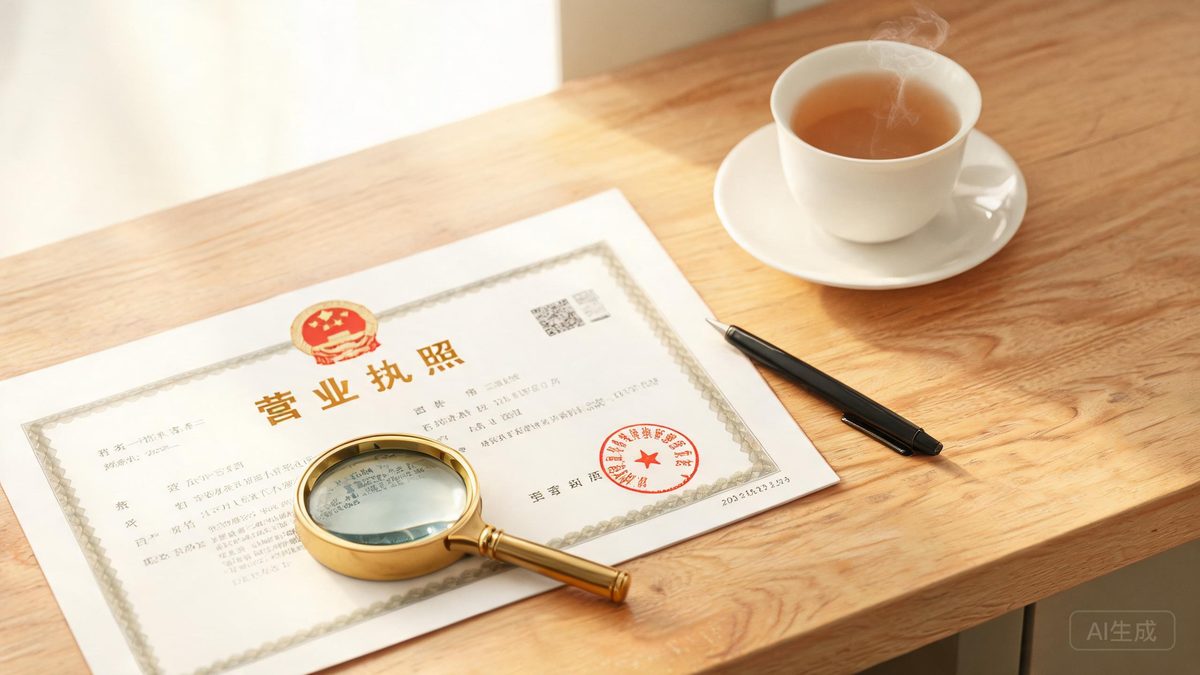
Before paying any deposit, verify the supplier. Check their business license on the official Chinese registry (gsxt.gov.cn) and confirm the bank account holder name matches the license. If a supplier asks you to pay a personal account or a different company name, stop — that is the most common payment scam. See our full guide to verifying a Chinese supplier license.
Steps 6-7: Negotiate and Pay
Compare at least three quotes. The lowest quote is rarely the best total-landed-cost option — a supplier who is $0.30 more expensive but ships 5 days faster and has half the defect rate can save you money. Negotiate on three things: unit price (target 5-10% below the listed quote), payment terms (push for 50/50 instead of 30/70), and lead time (get it in writing).
For your first order, pay with PayPal (under $1,000) or T/T 50/50 (over $1,000). PayPal offers 180-day buyer protection; T/T 50/50 means the supplier has incentive to finish production because they only get half until you approve QC. Never pay 100% upfront, and never use Western Union or crypto.
Steps 8-9: QC and Shipping
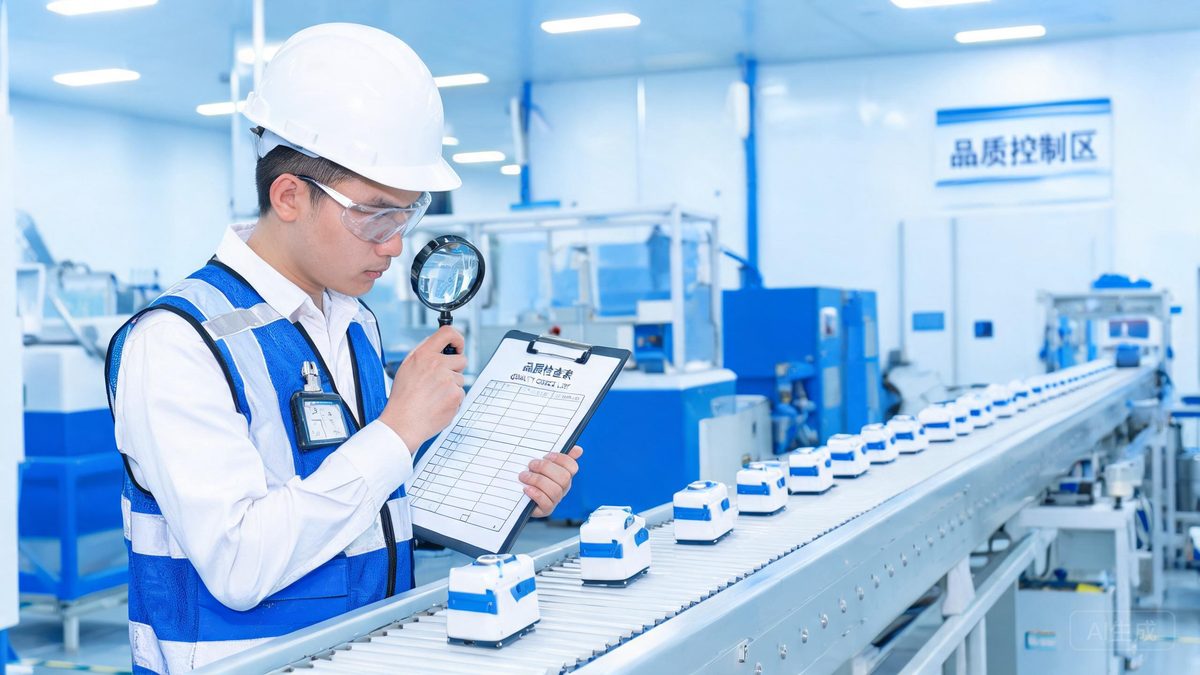
Before paying the balance, demand pre-shipment QC. For small orders, ask for 10-15 photos and a 1-minute video of the finished goods, packaging, and labels. For orders over $1,000, spend $90-$150 on a third-party AQL 2.5 inspection — it catches 95% of defects before the goods leave China, when you still have leverage. Once you approve QC photos, pay the 50% balance.
Ship by air DDP for orders under 100 kg. DDP means the forwarder handles export, freight, import clearance, duty, and last-mile delivery — you get a door-to-door service for one per-kilo rate ($4-$9/kg, 5-12 days). Above 300 kg, switch to FOB + your own sea freight forwarder to save 30-60%. Never use CIF — it lets the supplier control the shipment and inflate freight costs.
Common First-Order Mistakes (and How to Avoid Them)
- No samples: Always order samples first. A $50 sample prevents a $2,000 loss.
- 100% upfront payment: Use PayPal or 50/50 T/T. If a supplier insists on 100% upfront, walk away.
- Wrong incoterm: Use DDP for small orders, FOB/EXW for large ones. Avoid CIF.
- Paying a personal bank account: The payee name must match the business license.
- No QC before shipment: Approve photos or run a $90 inspection. Once the goods ship, you have no leverage.
- Ignoring total landed cost: A $2 unit with $3 freight is more expensive than a $3 unit with $1 freight.
- Scaling too fast: Do not reorder 5,000 units after selling 100. Wait for 30+ days of stable sales.
Worked Example: A $2,000 First Order
Suppose you want to sell phone cases and have a $2,000 budget. Here is how the numbers break down for 300 units:
| Item | Qty | Rate | Total |
|---|---|---|---|
| Samples (3 suppliers) | 3 | $30 | $90 |
| Bulk units (EXW) | 300 | $3.00 | $900 |
| Custom logo printing | 300 | $0.20 | $60 |
| Air DDP to US (60 kg) | 60 kg | $6.00/kg | $360 |
| Third-party QC (AQL 2.5) | 1 | $120 | $120 |
| PayPal / XTransfer fee | — | ~2% | $30 |
| Buffer (5%) | — | — | $80 |
| Total landed cost | $1,640 |
You spend $1,640 of your $2,000 budget, leaving a $360 safety margin. If you sell the 300 units at $12.99 each on Amazon, revenue is $3,897. After Amazon's 15% referral fee and ~$3.50 FBA fee per unit, net is roughly $2,247. Subtract the $1,640 landed cost and your first-order profit is about $607 — a 37% gross margin. The goal of the first order is not maximum profit; it is proving the product sells and the supplier delivers, so you can reorder with confidence.
When to Use a Sourcing Agent
If you cannot read Chinese, need help verifying suppliers, or want someone to run QC and consolidate shipments, a flat-fee sourcing agent ($90-$300 per order) is worth the cost on your first order. For orders above $5,000, a commission-based agent (3-5%) typically returns more in savings than they cost. Learn more about sourcing agent fees and how to choose the right agent.
Frequently Asked Questions
1. How much should I budget for my first China order?
Budget $1,000-$3,000: $20-$200 for samples, $300-$1,500 for 100-300 units, $50-$500 for air DDP shipping, $0-$150 for QC, and a 10% buffer. Keep the first order small enough that losing it does not put you out of business.
2. Are samples really necessary?
Yes. Ordering samples ($20-$200 each from 2-3 suppliers) catches quality, sizing, and packaging problems before you pay for a bulk order. Skipping samples is the #1 reason first-time buyers receive unusable goods.
3. What is the safest payment method for a first order?
PayPal for orders under $1,000 (buyer protection up to 180 days). For $1,000-$10,000, use T/T 50/50 or XTransfer. Never pay 100% upfront to a new supplier, and never pay by Western Union or crypto.
4. Do I need to verify the supplier?
Yes. Check the business license on the official Chinese registry (gsxt.gov.cn), confirm the bank account holder name matches the license, and ask for a factory video. This takes 15 minutes and prevents most fraud.
5. What incoterm should a first-time buyer use?
Use DDP for orders under 300 kg — the forwarder handles everything door-to-door. Use FOB or EXW with your own forwarder above 300 kg to save 30-60% on freight. Avoid CIF, which hides costs and cedes shipment control to the supplier.
6. Should I hire a sourcing agent for my first order?
A flat-fee agent ($90-$300) is worthwhile if you cannot read Chinese or want supplier verification and QC handled. For simple RTS products, you can manage it yourself with PayPal protection. See our agent vetting guide for more.
Common Pitfalls to Avoid
- Accepting a flat DDP rate without line items. A real DDP quote breaks out freight, duty, VAT, clearance, and last-mile. A single per-kg number hides costs that surface as surprise invoices or low-quality service.
- Choosing CIF for control of freight. Under CIF the supplier picks the carrier and inflates freight by 15–25%. Choose FOB (you control the line) or DDP (all-in, your forwarder) — never CIF unless you have no other option.
- No transit-time buffer for FBA restocks. Sea freight from China runs 25–40 days + 5–7 days FBA receiving. Order 45–60 days before you need stock in FBA, not 30. Running out of stock kills your Amazon ranking.
- Ignoring ISPM-15 for wooden pallets. EU and US customs require heat-treated pallets with the IPPC stamp. Missing stamps = container detained, €400–$600 fumigation, 3–7 day delay.
- No cargo insurance. Freight forwarders' liability is limited to ~$2/kg by convention. For high-value cargo, buy separate all-risks insurance (0.3–0.5% of value) — it costs $50 and pays out $10,000.
Conclusion
Your first China order is a test, not a jackpot. Follow the 10 steps in order, never skip samples or supplier verification, pay with protected methods, and run QC before the balance leaves your account. The $2,000 example above shows that a 300-unit order can deliver a positive margin while validating the product and the supplier. Once you have 30 days of sales data, you can scale with confidence. For help with supplier verification, QC, or your first order, contact Yeatru for a free quote within 24 hours. Related: Incoterms EXW/FOB/DDP comparison, DDP door-to-door shipping guide, China warehousing & consolidation.